Just How CNC Machining Solutions Boost Efficiency in Milling and Turning Processes
CNC machining solutions play a pivotal duty in improving efficiency within milling and turning processes. By using automation and specific control, these solutions minimize human error and assurance consistent result. The capacity to handle complex geometries and maintain tight resistances streamlines production. However, the full degree of CNC innovation's effect goes beyond fundamental effectiveness gains. There are deeper implications and future trends that warrant additional expedition.
The Fundamentals of CNC Machining
CNC machining is an exact manufacturing process that utilizes computer-controlled machines to produce intricate components and parts. This technology employs computer-aided layout (CAD) software to develop in-depth designs, which are then translated into equipment directions. The process normally includes various procedures such as milling, transforming, and boring, enabling manufacturers to attain high levels of precision and repeatability.
CNC makers are geared up with advanced tooling that can adjust materials like metal, timber, and plastic. They run with a series of commands that dictate movements, rates, and tool changes, decreasing human error and enhancing manufacturing efficiency.
The automation integral in CNC machining permits complex geometries and limited tolerances to be regularly generated, making it a favored selection in markets requiring accuracy, such as aerospace and auto. Understanding the basics of CNC machining is important for valuing its function in contemporary manufacturing processes.
Advantages of CNC Machining in Milling
CNC machining supplies considerable advantages in milling processes, specifically concerning accuracy and precision. This innovation not just enhances production rate but likewise enables the development of intricate designs that would be testing to attain manually. Therefore, services can boost effectiveness and increase their capabilities in manufacturing.
Precision and Accuracy
Attaining exceptional accuracy and precision in milling processes is a hallmark of sophisticated machining strategies. CNC machining solutions make use of computer-controlled systems that carefully carry out styles with very little human treatment. This automation assures that each cut and shape is performed to exact specifications, significantly minimizing the threat of mistakes commonly linked with hand-operated milling. The capability to produce intricate geometries with tight tolerances is a key advantage, allowing manufacturers to fulfill rigorous top quality needs. In addition, CNC equipments can keep regular efficiency throughout numerous runs, assuring uniformity in production. This level of precision not just boosts item high quality however likewise decreases material waste, leading to much more efficient usage of sources. Generally, CNC machining solutions revolutionize milling procedures via their dedication to accuracy and detail.
Increased Manufacturing Rate
Speeding up production rate is one of the standout advantages of contemporary machining solutions. CNC machining greatly lowers the moment required for crushing procedures by automating procedures and decreasing hands-on intervention. Devices can run constantly, enabling increased output without sacrificing quality. The ability to program several jobs into a single configuration even more streamlines manufacturing, enabling suppliers to full complicated work in less time. In addition, CNC makers maintain high-speed cutting capacities, leading to quicker product removal and faster cycle times. This boosted performance translates to shorter preparations, enabling business to react quickly to market needs. Overall, boosted production rate via CNC machining not only enhances productivity however additionally improves affordable benefit in the manufacturing market.
Facility Design Abilities
The capacity to create detailed designs is a substantial advantage of modern-day machining services. CNC machining permits the manufacturing of intricate geometries that would certainly be tough, if not impossible, to attain utilizing conventional techniques. This capacity stems from advanced programs and automated devices that specifically adhere to electronic plans, making sure accuracy and repeatability. As a result, manufacturers can produce elaborate components with limited resistances, optimizing performance in different applications. Furthermore, the adaptability of CNC equipments makes it possible for rapid adjustments to design specifications without comprehensive retooling, enhancing the manufacturing procedure. This adaptability not only improves imagination in style however likewise permits reliable testing and advancement, providing companies an one-upmanship in the ever-evolving market.
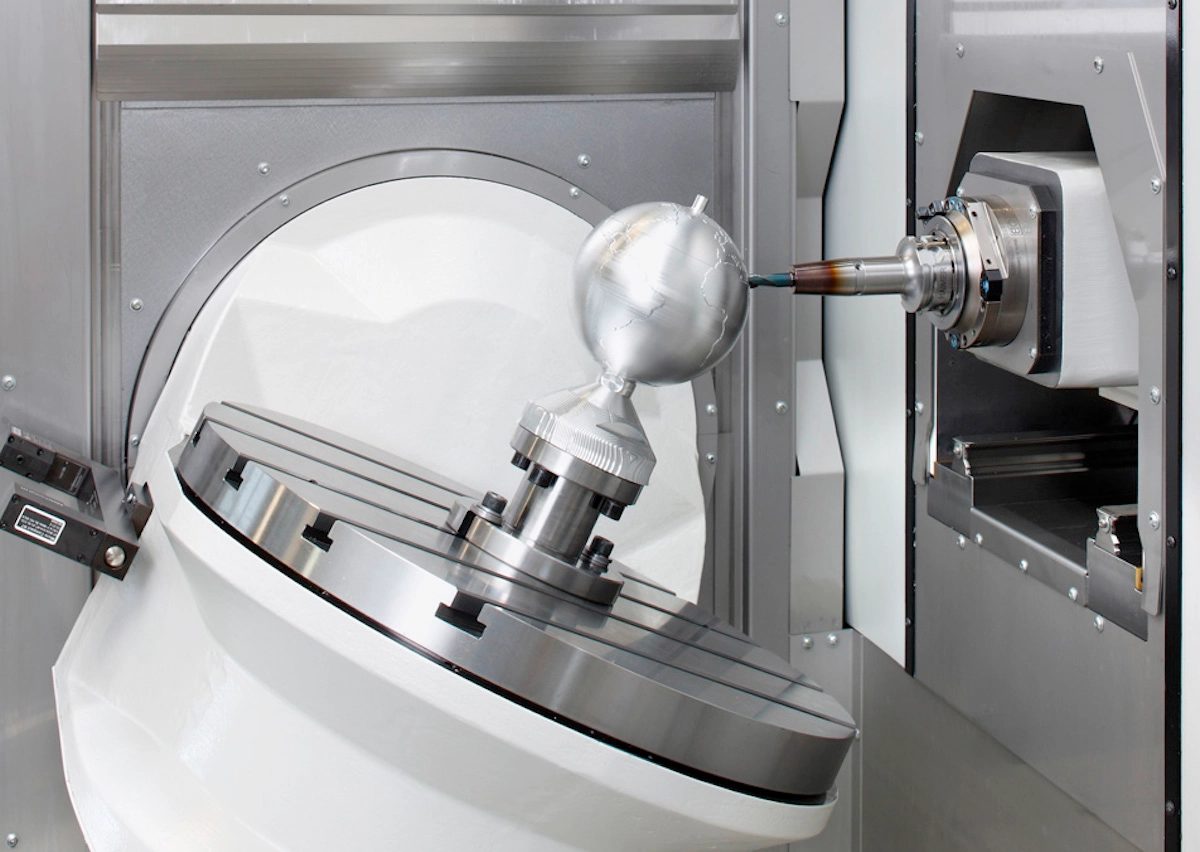
Benefits of CNC Transforming Processes
CNC transforming processes offer substantial advantages in production, specifically relating to accuracy and accuracy. These processes enable the creation of very detailed parts with very little resistances, guaranteeing quality in production. Additionally, the effectiveness of CNC transforming contributes to lowered lead times, making it possible for faster distribution of finished items.
Precision and Accuracy
Precision and accuracy are hallmark attributes of CNC turning procedures, establishing them apart in the manufacturing landscape. These procedures utilize computer mathematical control to guide cutting tools with unparalleled exactness. This leads to parts that meet strict requirements and tolerances, decreasing the chance of errors. CNC turning allows for repeatable and regular manufacturing, making sure that each part is essentially the same, which is vital in industries needing high requirements, such as aerospace and clinical tools - tool and die maker. Additionally, progressed software program and modern technology enable real-time adjustments during machining, improving general high quality. By decreasing human mistake and optimizing control over the production procedure, CNC transforming solutions provide remarkable accuracy and precision, making them a vital choice for contemporary manufacturing needs
Decreased Lead Times
Decreased lead times are a significant advantage of CNC turning procedures, originating from their capability to automate and maximize production. CNC turning makers run with high performance, enabling quick configuration and execution of multiple tasks without the demand for considerable hands-on treatment. This automation decreases downtime and speeds up the manufacturing process, enabling quicker turn-around for orders. Furthermore, CNC innovation enhances uniformity and decreases errors, which better adds to quicker production cycles. As an outcome, organizations can satisfy tight target dates and respond promptly to market needs. By leveraging CNC transforming processes, firms can enhance workflows, boost resource allocation, and inevitably enhance their affordable edge via lowered preparations.
Precision and Accuracy in Manufacturing
While making processes have actually developed substantially for many years, the importance of accuracy and accuracy continues to be vital. In CNC machining, these two aspects are crucial to generating premium parts that meet precise requirements. The combination of innovative computer modern technology permits careful control over machining parameters, making sure that parts are crafted with very little discrepancy from desired designs.
Accuracy in making refers to the repeatability of processes, while precision represents how carefully a completed component aligns with its intended try this dimensions. CNC makers make use of sophisticated software application and devices that make it possible for manufacturers to accomplish both, significantly lowering the margin for error - cnc turning service. This capability is particularly vital in sectors such as aerospace, auto, and medical, where even minor inaccuracies can result in disastrous failings
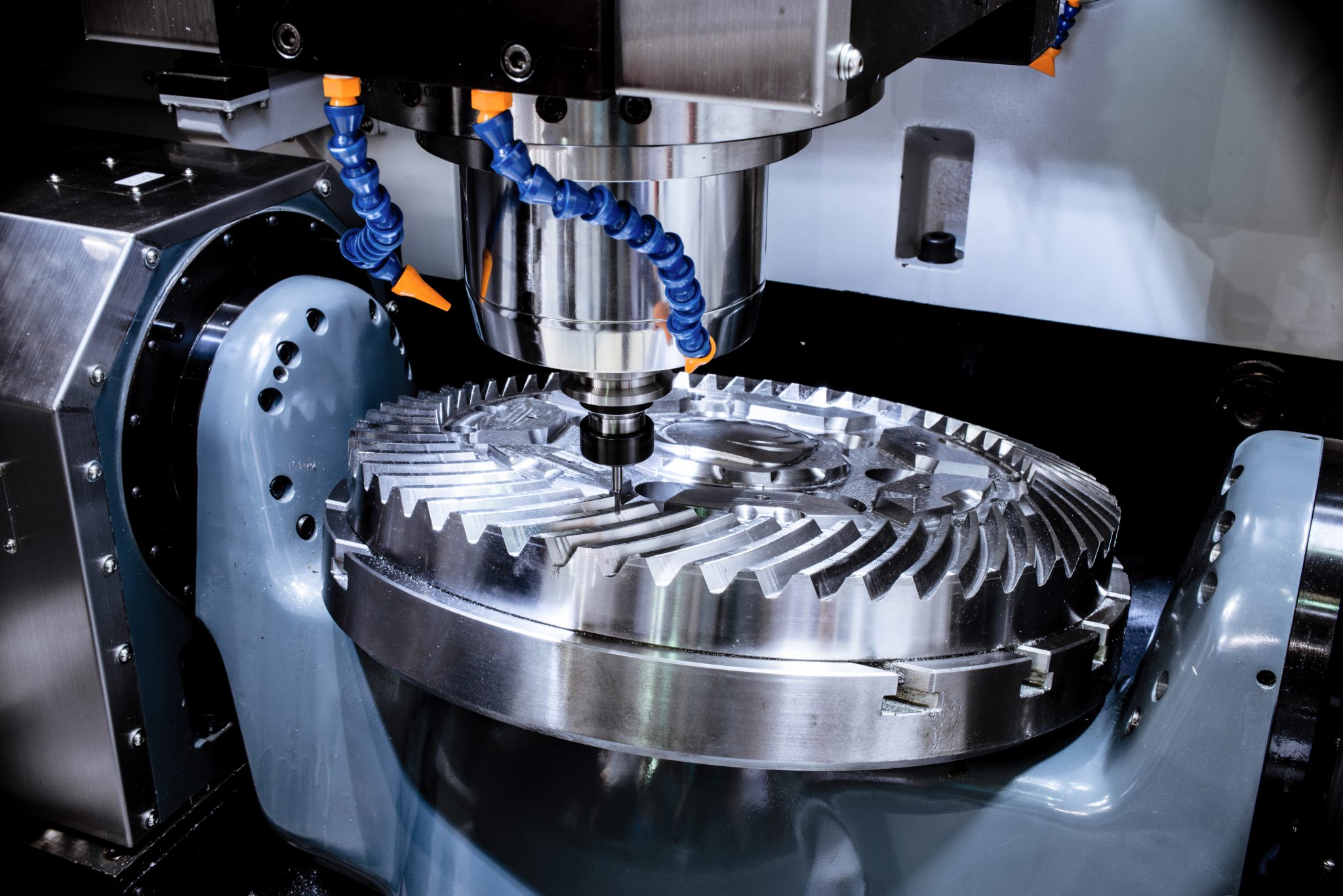
Decreasing Lead Times With CNC Technology
CNC modern technology speeds up manufacturing timelines by improving the machining process. By automating jobs, CNC devices decrease hands-on intervention, substantially decreasing the time needed for setup and procedure. This effectiveness enables suppliers to respond promptly to market demands, meeting orders faster than typical machining techniques permit.
Furthermore, CNC modern technology provides quick prototyping abilities, allowing for fast iterations and modifications based upon client comments. The precision of CNC machining makes sure that components are created appropriately the very first time, decreasing the probability of pricey errors and remodel.
Advanced scheduling and programs abilities enhance process, enabling several operations to run concurrently. This assimilation of modern technology not just reduces lead times however additionally boosts total performance. Inevitably, the fostering of CNC machining solutions outfits manufacturers with the devices essential to fulfill limited due dates while preserving premium requirements in production.
The Future of CNC Machining in Industry
As suppliers progressively embrace CNC innovation to improve processes and lower preparations, the future of CNC machining in market appears encouraging. Technologies such as expert system and machine learning are readied to reinvent More hints the capacities of CNC machines, boosting their accuracy and versatility. These developments will promote real-time surveillance and predictive maintenance, decreasing downtime and enhancing production performance.
Additionally, the integration of Net of Things (IoT) modern technologies will certainly enable far better data collection and evaluation, allowing suppliers to make educated choices that even more enhance operational performance. The rise of additive production together with CNC machining is anticipated to complement standard approaches, offering higher layout flexibility and product performance.
Additionally, as sustainability ends up being a top priority, CNC machining is evolving to integrate environmentally friendly methods, which will certainly attract environmentally mindful customers. Overall, the future of CNC machining is characterized by constant technology and adaptation, placing it as a foundation of contemporary production.
Regularly Asked Questions
What Materials Are Compatible With CNC Machining Solutions?
CNC machining solutions are suitable with numerous products, consisting of metals like titanium, aluminum, and steel, as well as plastics such as acrylic and polycarbonate. Wood and composites also suit CNC processes for diverse applications.
How Does CNC Machining Contrast to Standard Machining Approaches?
CNC machining supplies greater automation, uniformity, and precision contrasted to standard approaches. It minimizes human mistake, increases manufacturing speed, and enables official statement complex styles, making it a remarkable option in contemporary production atmospheres.
What Industries Benefit one of the most From CNC Machining Services?
The aerospace, auto, medical, and electronic devices markets profit substantially from CNC machining solutions. These markets leverage modification, precision, and speed to enhance item high quality while minimizing manufacturing costs and time, eventually improving overall functional efficiency.
Can CNC Machines Handle Facility Geometries and Styles?
CNC equipments are skilled at dealing with intricate geometries and styles, allowing for accuracy and intricate describing. Their innovative programs capacities allow manufacturers to produce parts with high accuracy, conference diverse market needs and improving item functionality.
What Is the Normal Expense Array for CNC Machining Solutions?
The regular cost variety for CNC machining solutions varies commonly, usually falling in between $50 to $150 per hour, relying on elements such as product, intricacy, quantity, and the particular machining procedures used.
CNC machining is an accurate production procedure that utilizes computer-controlled makers to generate intricate parts and elements. CNC machining supplies significant advantages in milling processes, especially pertaining to precision and accuracy. CNC machining significantly minimizes the time needed for milling processes by automating operations and reducing hands-on treatment. CNC modern technology increases production timelines by improving the machining procedure. As producers progressively take on CNC modern technology to streamline processes and reduce lead times, the future of CNC machining in industry appears appealing.